


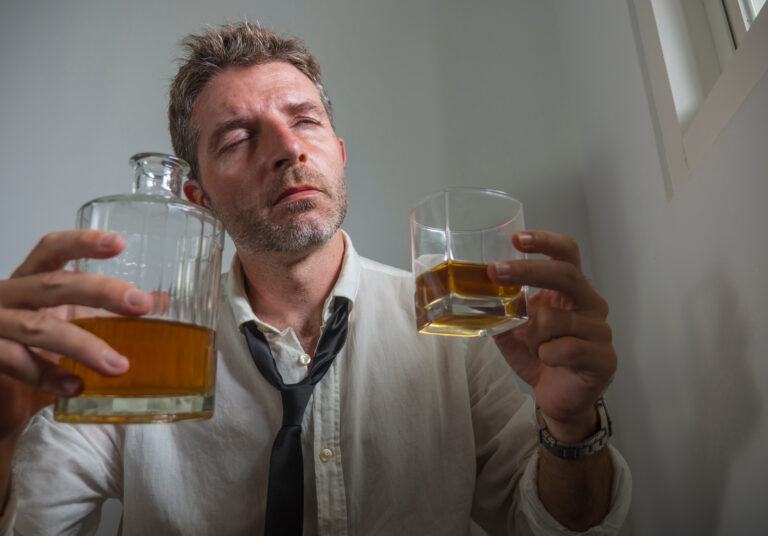
When two people decide to get married, the idea that it may not last usually isn’t a thought. However, despite many couples’ best efforts, a large portion of marriages end in divorce in the U.S. While some couples may cite irreconcilable differences as grounds for the divorce, others may cite specific behaviors their spouse engaged in, which lead to the ultimate demise of the union. An example of this would be substance abuse. Dealing with a spouse’s substance abuse can be an overwhelming and stressful experience, as it can often have substantial consequences. Substance abuse can result in financial hardship, other forms of abuse and violence, emotional distress, legal issues, and an increased risk for children. As such, you may make the difficult decision to dissolve your marriage. Please continue reading to learn how you can prove substance abuse in court for a divorce case in Massachusetts and how our knowledgeable Bristol County Grounds for Divorce Lawyers can help you navigate this complex legal process.
Can I Cite My Spouses’s Substance Abuse Problem as Grounds for Divorce?
In Massachusetts, those seeking to dissolve their marriage must cite grounds or the reasoning behind the divorce. The petitioner can pursue a fault or no-fault divorce. In a fault-based divorce, the petitioner holds the other spouse responsible for running the marriage, while in a no-fault divorce, no blame is placed on either party. If you decide to cite fault grounds, you can choose from the following:
- Adultery
- Desertion
- Gross and confirmed habits of intoxication
- Cruel and abusive treatment
- Non-support
- Impotence
- Imprisonment of 5 or more years
As you can see, you can cite your spouse’s substance abuse problem. However, you will be burdened with having to prove that substance abuse caused the breakdown of the marriage. To support your petition, you should gather as much evidence as possible. Understandably, substance abuse is a progressive disease, meaning the impact on the user can worsen over time. That said, if your spouse has been dealing with a substance abuse disorder, there’s likely evidence of the harm done that can help you establish substance abuse as the grounds for your divorce in court. This may include:
- Any criminal charges for driving while impaired or possession of illicit drugs
- Any records of court-ordered or voluntary counseling or treatment programs
- Any work records that may reflect random drug testing results and discipline for substance abuse or drinking on the job
- Any medical records that may reflect healthcare providers’ assessments of substance abuse and related injuries
- Any witness testimony, including your statement and statements from family, friends, and co-workers
- Any recordings or social media posts that demonstrate visual evidence of your spouse under the influence of excessive alcohol or drugs
If your spouse engages in habitual abuse of alcohol or drugs, you will have to prove it to cite fault grounds to dissolve your marriage. If you need help establishing your spouse’s substance abuse, please don’t hesitate to enlist the help of the legal team at The Law Offices of Cynthia L. Hanley, P.C., to discuss your legal matter with an effective and compassionate attorney.
